Why DIY Termite Treatments Don’t Work For Homes In Darwin
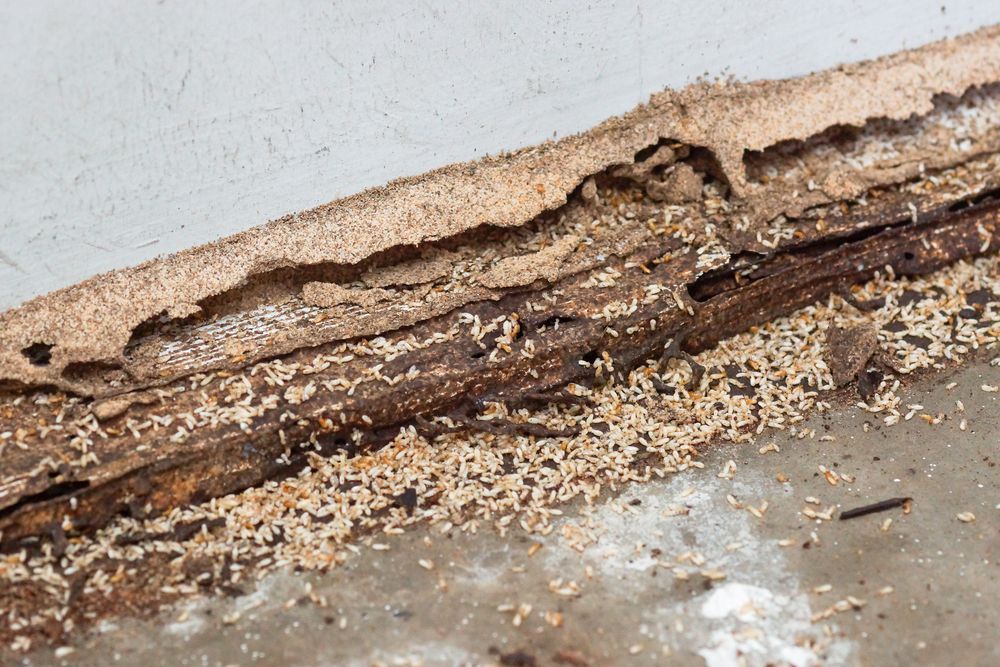
Termites in Darwin are rarely discovered early. For most homeowners, the first sign is subtle, a door frame that feels hollow, skirting boards that crumble slightly under pressure or unexplained fine debris appearing near walls. In warm, moisture-heavy environments,
termites are not a seasonal issue, they are an ongoing threat. Colonies stay active year-round, feeding silently and expanding quickly. While DIY termite treatments are often marketed as fast and affordable solutions, they rarely address the real scope of the problem. In climates that accelerate termite behaviour, relying on do-it-yourself methods can allow serious damage to develop unnoticed.
The Climate Creates Ideal Conditions for Constant Termite Activity
Termites in Darwin rely on warmth and moisture to survive, and tropical conditions provide both in abundance. Unlike cooler regions where termite activity may slow during colder months, colonies in humid climates remain active throughout the year. This continuous activity gives termites more time to feed, breed and expand.
The environment itself works against surface-level treatments:
- Moist soil allows termites to build extensive underground tunnel systems
- High humidity reduces the longevity of some chemical applications
- Consistent warmth supports rapid colony growth & reproduction
Professional termite management strategies are designed with these environmental pressures in mind, targeting not just active termites but the conditions that allow colonies to thrive.
DIY Products Only Treat What is Visible, Not the Colony
Most DIY termite treatments focus on what homeowners can see. Sprays, foams and dusts kill Darwin termites on contact, but the visible insects represent only a small fraction of the colony. The nest, where the queen and majority of workers remain, is typically hidden underground or deep within structural timbers.
When surface termites are killed, the colony does not disappear. Instead, it adapts:
- Colonies reroute feeding paths to untreated areas
- Activity becomes harder to detect after disturbance
- Structural damage continues out of sight
Professional treatments are designed to reach the colony itself, either by transferring treatment through termite behaviour or by creating protective zones that interrupt access to the structure.
Termite Species Behave Differently & Require Targeted Solutions
Not all Darwin termites operate in the same way. Some species live entirely underground and access buildings through concealed mud tunnels, while others establish nests inside roof voids or wall cavities. Each species responds differently to treatments.
DIY products are not designed to account for these differences:
- Some termites rarely come into contact with surface sprays
- Nest locations vary depending on species & conditions
- Incorrect treatment methods can worsen hidden damage
Accurate identification is a critical step in termite control, and it is something professional pest controllers are trained to do before selecting an appropriate treatment approach.
Home Remedies Interfere with Professional Treatment Success
Online advice often promotes home remedies such as vinegar, bleach, diesel or essential oils as natural termite solutions. While these substances may kill termites on contact, they do not eliminate colonies and often create complications for future treatment.
When termites are disturbed without being controlled, they become evasive:
- Colonies may split & form satellite nests
- Feeding behaviour changes, making detection harder
- Baiting systems may become less effective
Professional termite control relies on predictable termite behaviour. Home remedies disrupt that behaviour without solving the underlying problem.
Structural Damage Escalates While DIY Attempts Delay Action
One of the greatest risks of relying on DIY termite treatment is the delay it causes. Homeowners often spend weeks or months trying different products while termites continue feeding unseen. By the time professional help is sought, damage may be extensive.
Termites consume timber from the inside out, meaning serious structural issues may not be visible until significant weakening has occurred:
- Floor supports & framing can lose integrity
- Repairs often exceed the cost of treatment
- Termite damage is typically not covered by insurance
Early professional assessment can significantly reduce long-term repair costs and limit structural impact.
DIY Treatments Provide No Long-term Monitoring or Protection
Even when DIY treatments appear to work initially, they offer no ongoing monitoring or preventative protection. Termites can re-enter a property through new access points, particularly in environments where conditions remain favourable year-round.
Effective termite management is an ongoing process rather than a one-off fix:
- Monitoring systems detect activity before damage occurs
- Barriers require correct placement & maintenance
- Regular inspections reduce long-term risk
Professional termite services focus on
prevention as much as treatment, helping protect properties well into the future.
Chemical Misuse Can Pose Safety & Compliance Risks
Many over-the-counter termite products contain chemicals that must be handled carefully. Without training, it is easy to apply these products incorrectly, reducing effectiveness and increasing risk to occupants, pets and the surrounding environment.
Improper application can also have compliance implications:
- Overuse can create unnecessary exposure risks
- Incorrect placement reduces treatment effectiveness
- Soil & water contamination is a concern
Licensed pest controllers follow strict safety guidelines and apply treatments in accordance with regulatory standards.
New Builds & Existing Homes Face Different, But Equally Serious Risks
There is a common belief that newer homes are less vulnerable to termites, but this is not always the case. Construction materials, slab design, landscaping and moisture retention around foundations can all influence termite activity.
Older homes may already have hidden vulnerabilities due to age or previous moisture issues:
- New builds still require correctly installed barriers
- Renovations can expose fresh entry points
- Landscaping can unintentionally increase moisture levels
Understanding these risks early allows for proactive protection rather than reactive repairs.
Termite Control Requires Specialised Knowledge & Equipment
Successful termite management relies on far more than chemical products. It requires detailed inspections, moisture detection, access to concealed spaces and an understanding of how termites interact with building structures.
DIY methods simply do not offer this level of precision:
- Professional inspections identify high-risk areas
- Treatments are tailored to individual structures
- Equipment allows access to hidden infestation zones
This specialised approach is essential in environments where termites remain active throughout the year.
Get in Touch
At
Arafura Pest Control, we understand the unique challenges termite activity presents in
Darwin’s tropical climate. If you are concerned about termites or suspect hidden damage in your home or investment property, early professional assessment can help prevent costly structural issues. Visit our website to
arrange an inspection or
speak with our team about termite solutions designed specifically for local conditions.